
Portuguese-inspired · Portuguese-inspired
Wild boar feijoada with white beans, orange butter emulsion and rice
Wild boar, white beans and Savoy cabbage make a hearty stew with the aroma of smoked bacon. Alongside the rice, we serve juicy orange segments and a little smooth orange butter sauce, bringing a fresh finish to this slow-cooked dish. We finish the sauce just before serving.
The time includes 170–220 minutes of stewing and finishing the beans, rice and orange emulsion alongside one another. We whisk in the butter only immediately before serving.
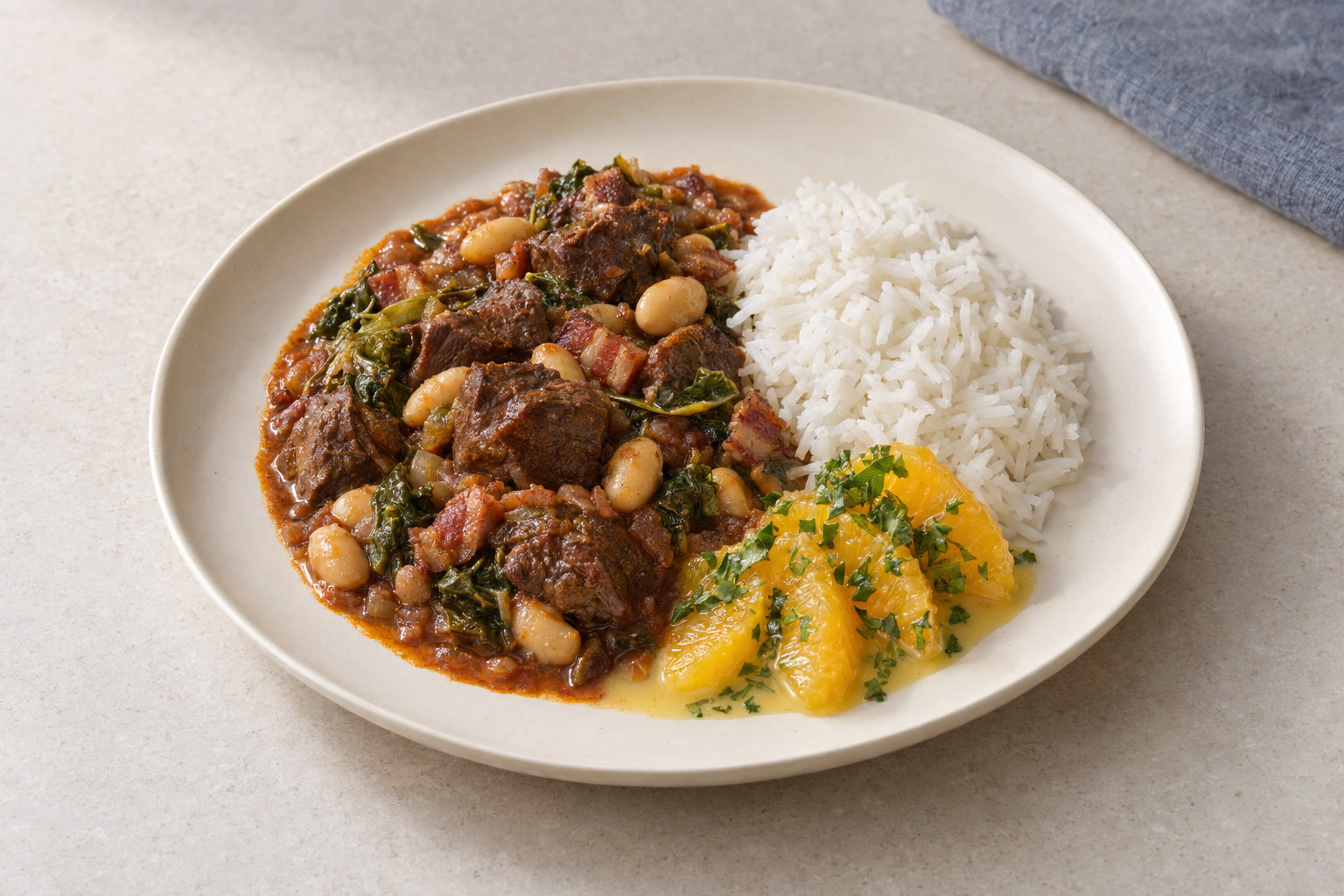
Smoked bacon deepens the flavour of the wild boar and tender beans; orange brings sweet-sour freshness, and butter gives the sauce a smooth finish.
Step-by-step method
What you will need
- heavy 20 cm / 3 l saucepan with a lid
- 1.5 l saucepan for rice
- small 12–14 cm saucepan for the emulsion, fine sieve, whisk and small measuring jug
- 3 hob rings
- kitchen scales, probe thermometer and separate chopping boards for meat and vegetables
Before we start
We start cooking the rice once the meat is tender. While the rice cooks, we add the cabbage and beans to the stew. We reduce the orange juice in advance, but whisk in the cold butter only during the rice’s final rest.
Cut and brown the meat
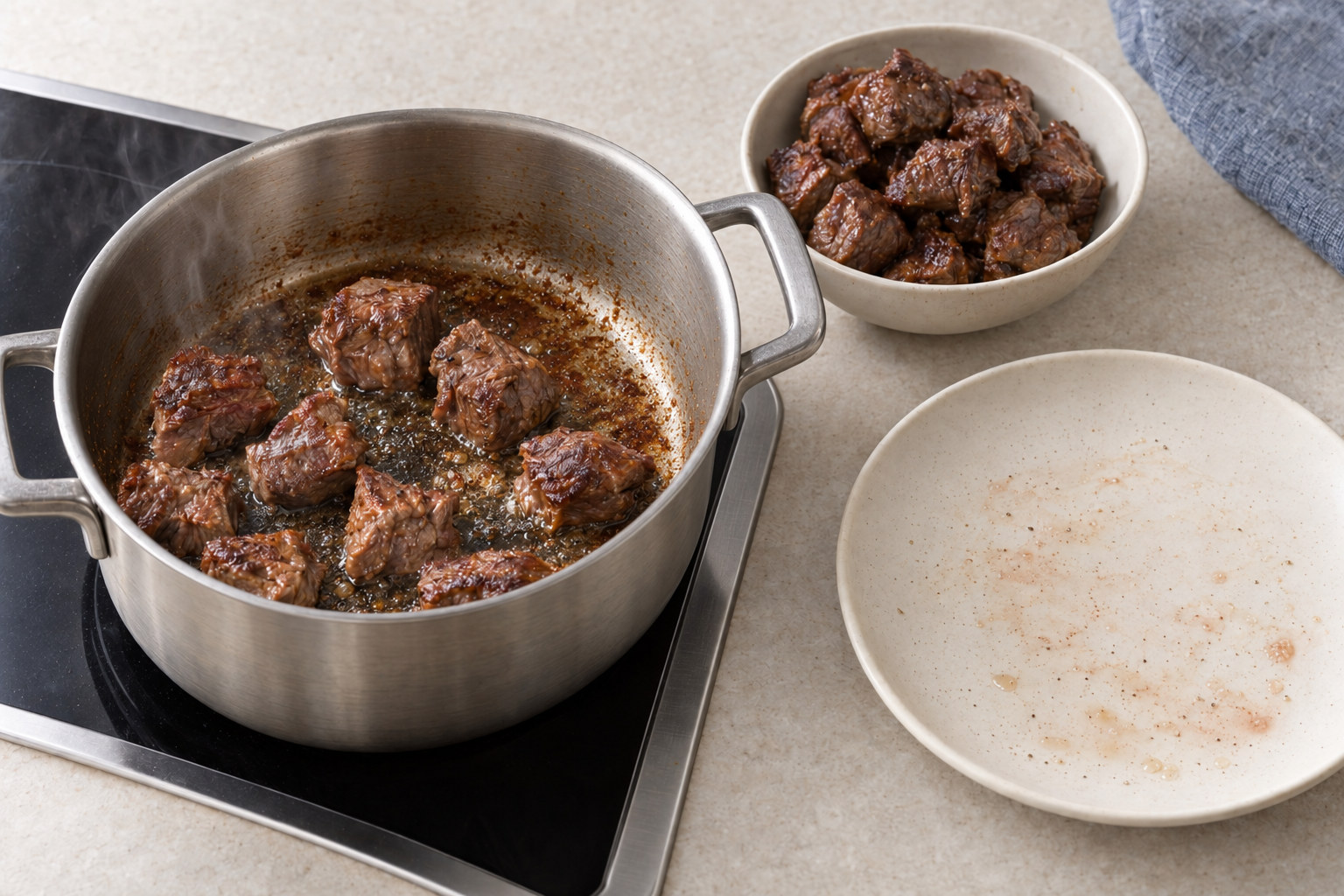
We cut the trimmed meat into 3 cm cubes and pat it dry. We season with most of the salt for the meat and the pepper. We set aside 1 teaspoon of the oil for the onion, then divide the rest between 2 batches of meat, about 225 g each. We brown each batch for 4–6 minutes over a medium-high heat, transferring the browned meat to a bowl.
We brown the meat in a single layer so liquid does not pool in the pan.
Make the bacon base
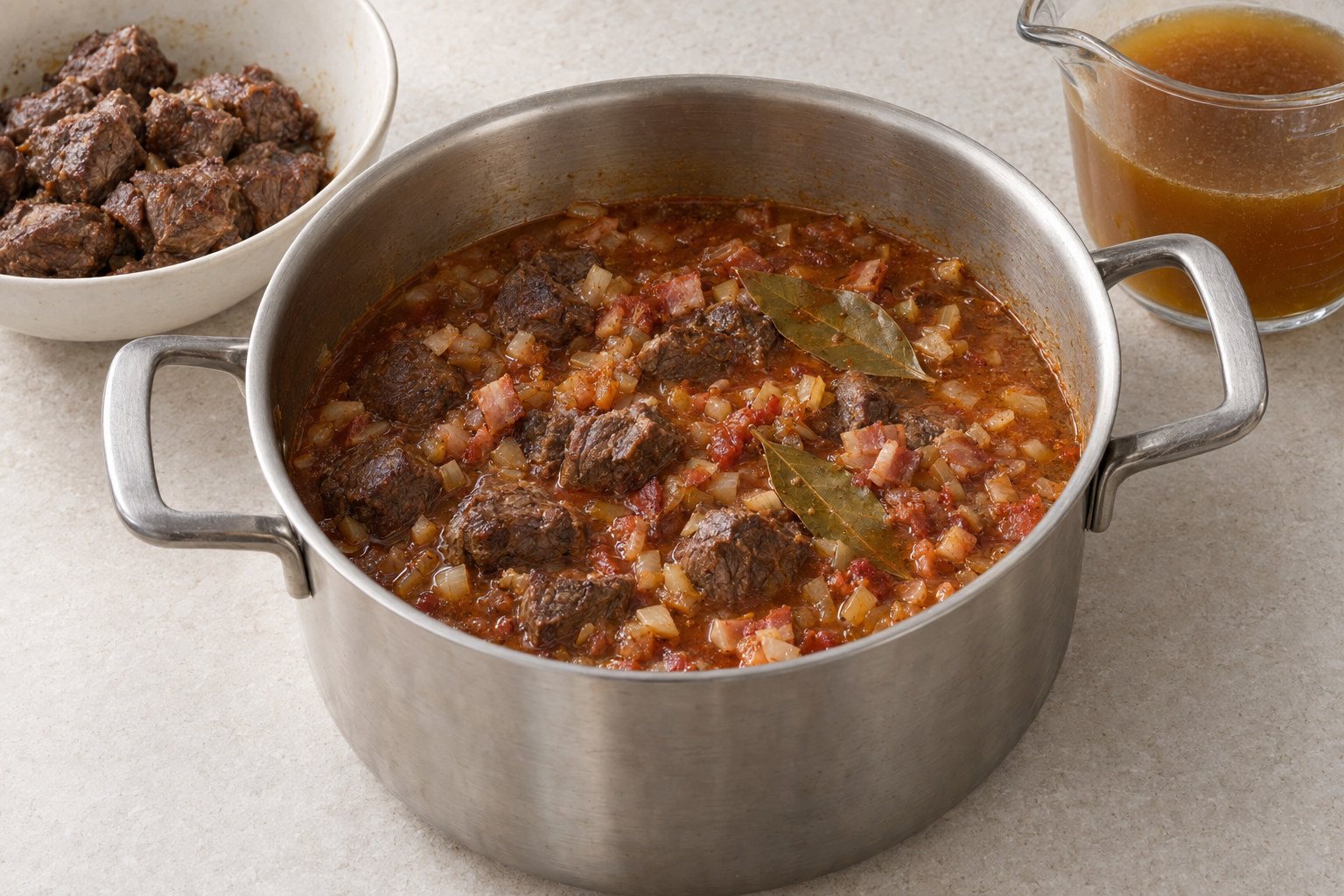
We peel and finely chop the onion and garlic. We fry the finely diced bacon in the reserved oil for 3 minutes, then add the onion and cook for 7–9 minutes. We add the garlic and tomato purée and cook for a minute. We take the pan off the heat, stir in the paprika and bay leaf, then immediately pour in all the stock. We return the meat and any juices from the bowl.
The bacon adds some salt to the sauce.
Stew the meat until tender
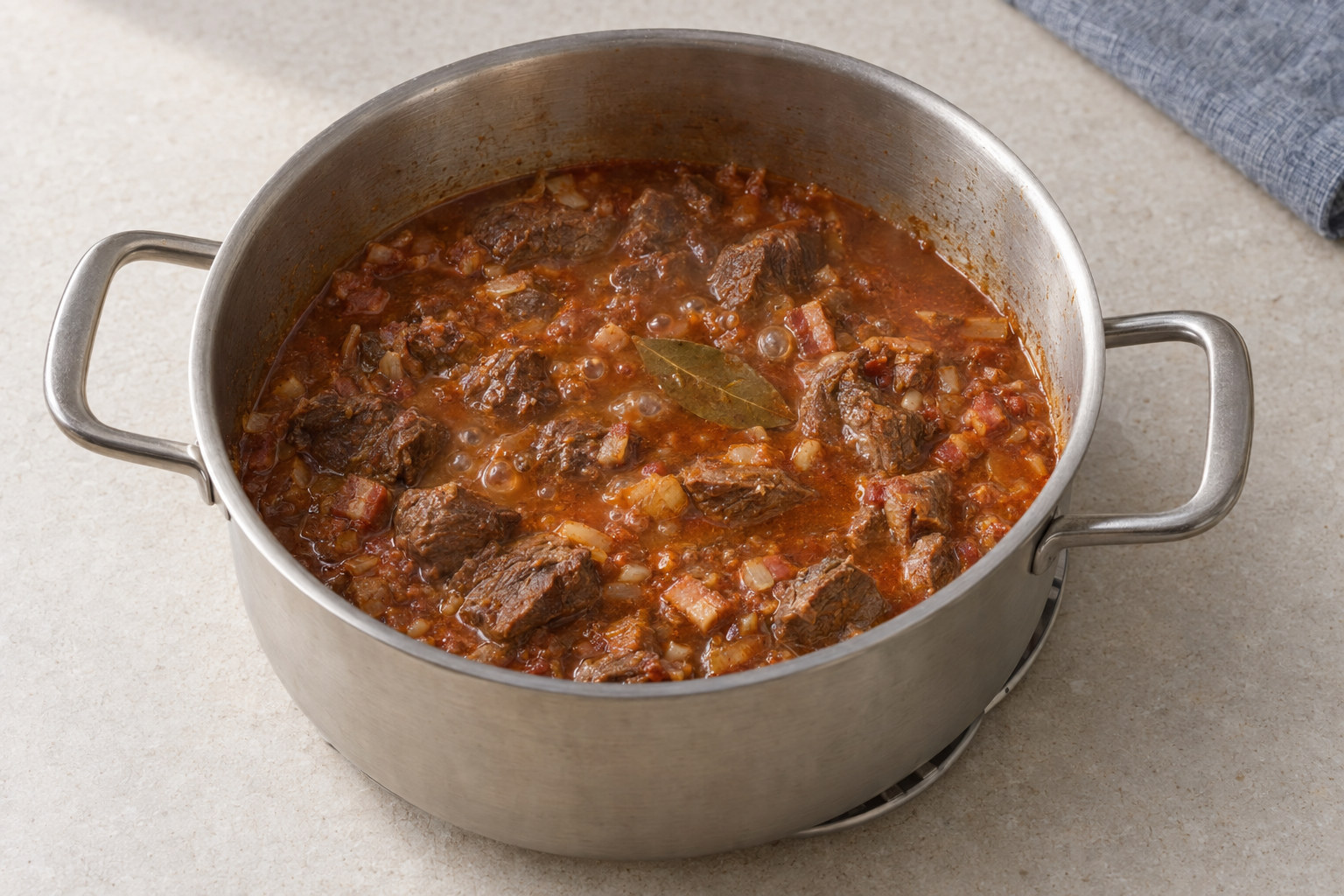
We bring the stew to a very gentle simmer, cover tightly and cook for about 170–220 minutes. Every 35 minutes, we stir and check the bottom of the pan. If the liquid is drying out, we add water in 30 ml amounts. We check that the thickest pieces have reached at least 74 °C. We also use a fork to check that a cube pulls apart into strands easily. If the meat is still tough, we continue cooking.
The liquid should only bubble gently. A vigorous boil will not make the meat tender any faster.
Cook the rice
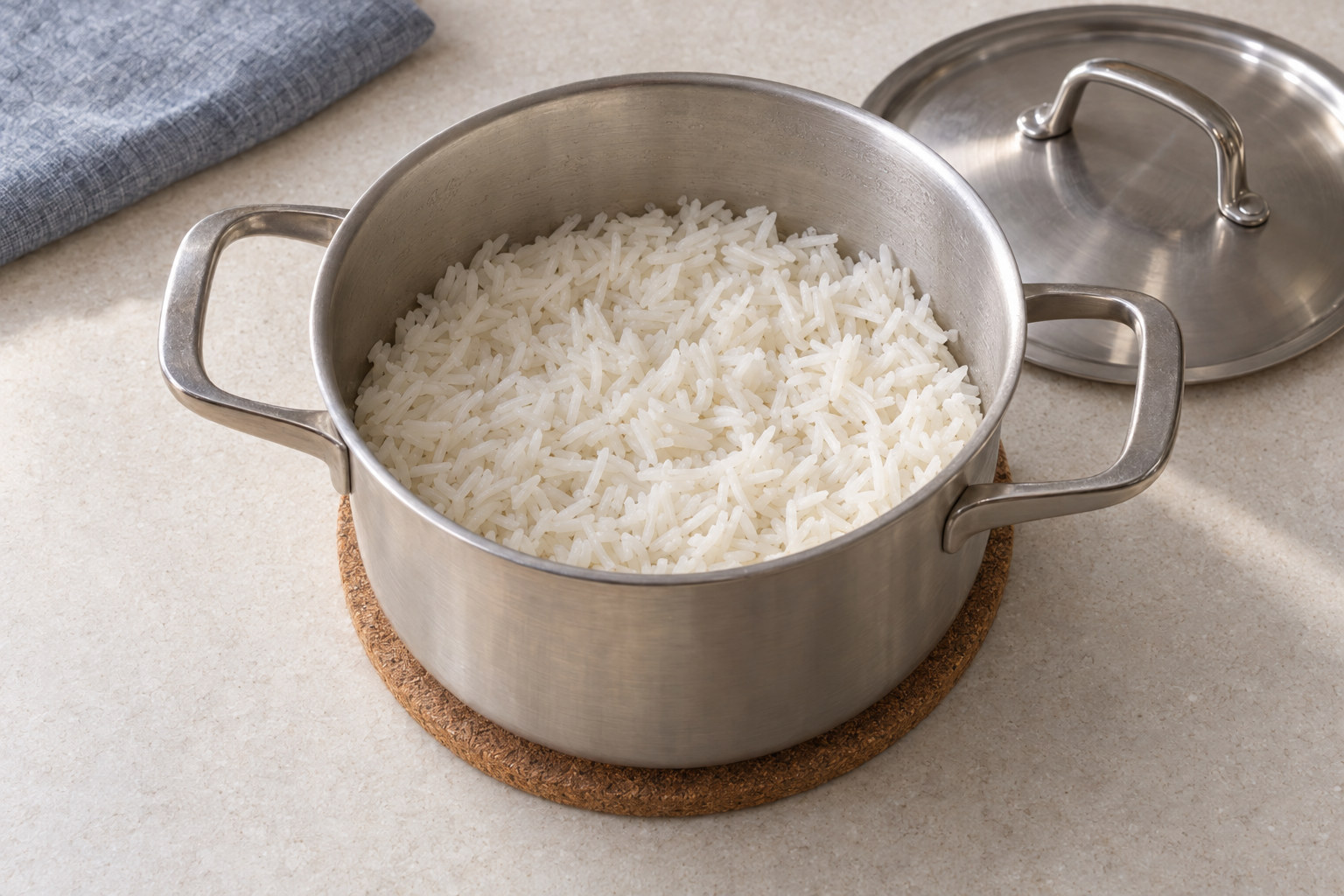
We rinse the rice in a sieve and drain thoroughly. In a saucepan, we bring it to the boil with 230 ml of water and the salt for the rice. We cover, cook over the lowest heat for 12–15 minutes, then leave off the heat for 10 minutes to finish steaming. We do not lift the lid during cooking.
The grains are tender, with no water left in the bottom of the pan.
Finish the feijoada
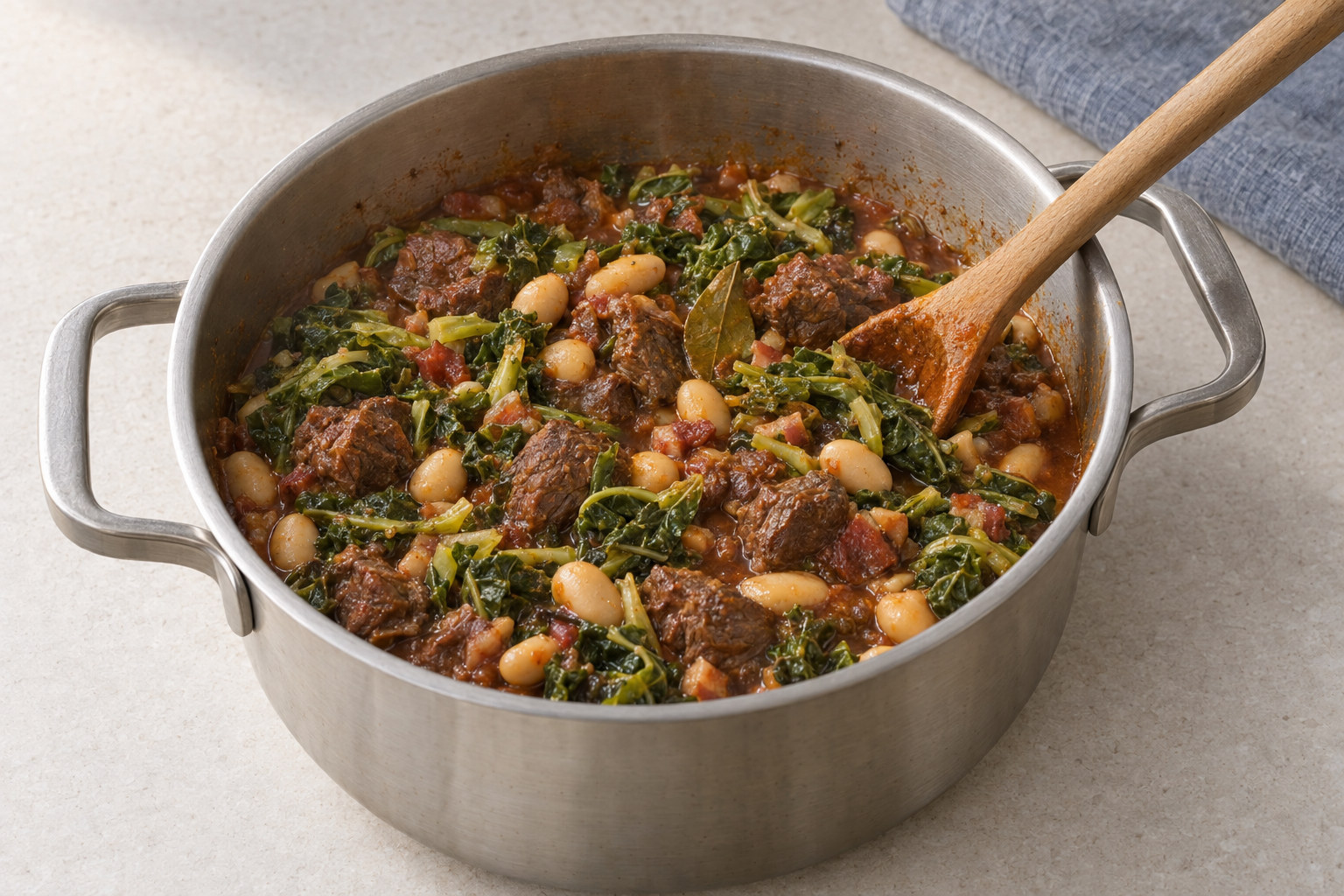
We wash the cabbage leaves, remove the tough ribs and cut the leaves into strips. We add them to the tender meat and simmer gently for 10–12 minutes, stirring in the drained white beans for the last 5 minutes. We remove the bay leaf, taste, then add as much of the remaining salt for the meat as needed. We peel the orange, removing the white pith as well, and divide into segments. We chop the parsley.
The beans hold their shape and the cabbage is tender, but its strips are still distinct.
Reduce the orange juice
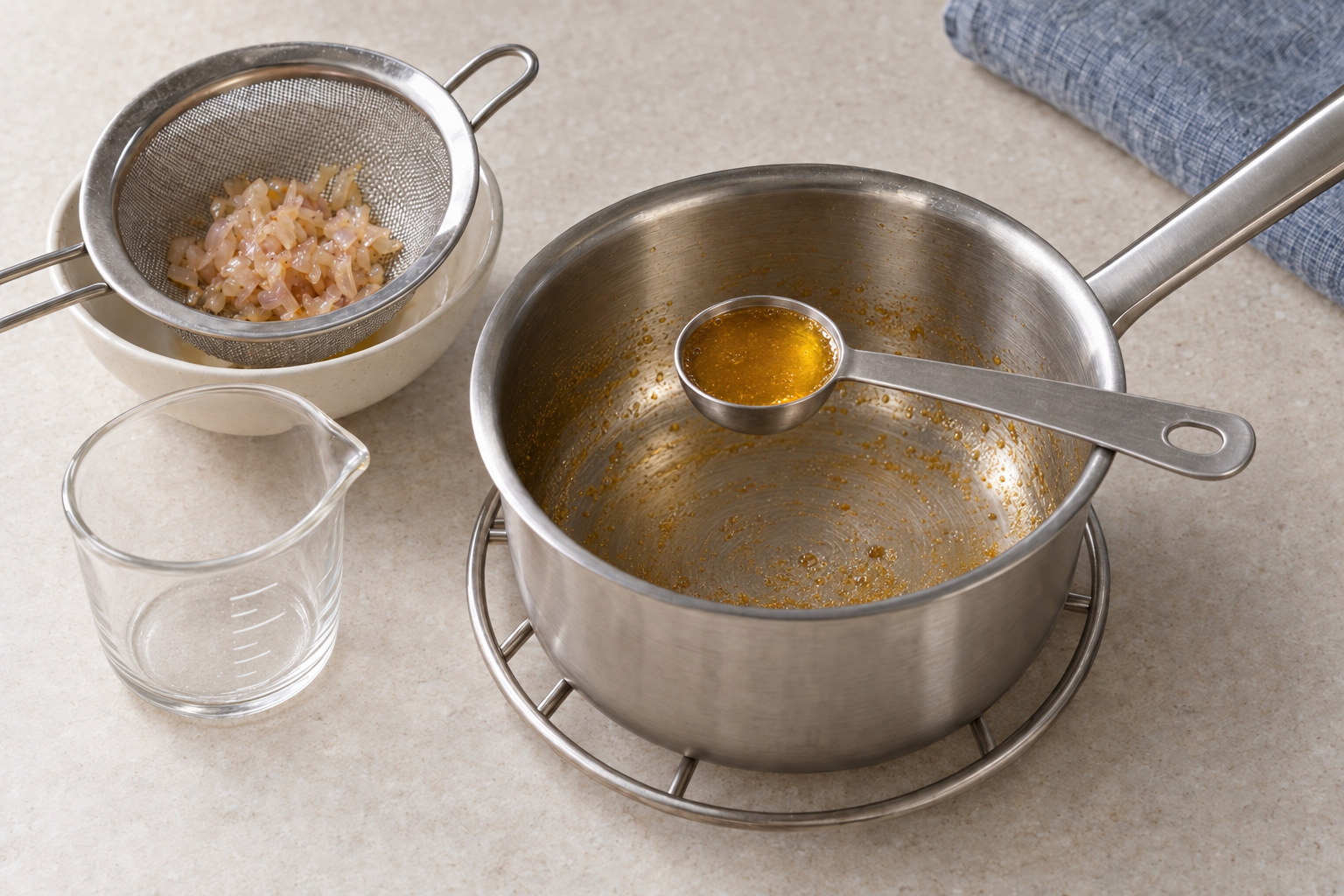
We peel and finely chop the shallot, then cook it with the juice for the emulsion and the vinegar in a small saucepan for 5–8 minutes. We strain, discard the shallot and continue cooking the clear liquid until it has reduced to about 15 ml (1 measuring tablespoon). We measure the volume so the base is not too thin. If it has already become too thick, we add some of the water for the emulsion a teaspoon at a time.
The reduction has the consistency of a concentrated syrup and is not burnt.
Whisk in the butter and serve
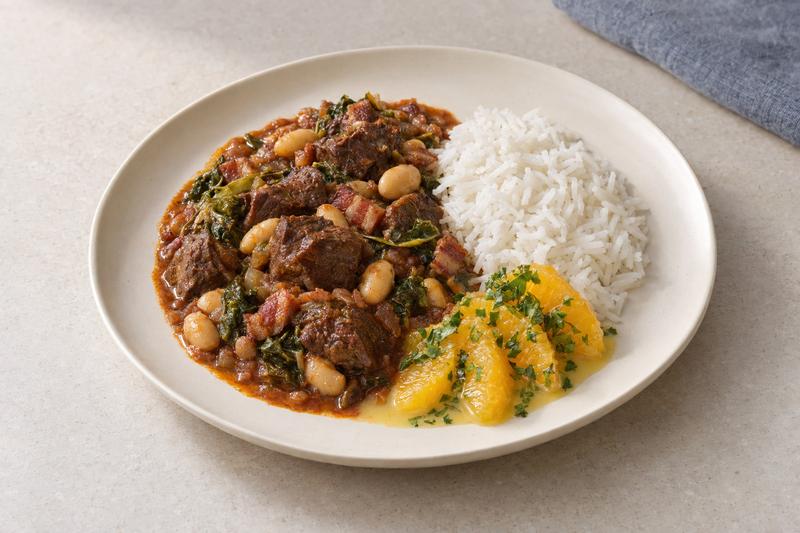
We let the reduced orange juice cool to about 50–55 °C, then gradually whisk in all the cold butter in small cubes. If needed, we briefly hold the saucepan near the lowest heat. We add the salt for the emulsion and do not boil the finished sauce. We immediately divide it between 2 plates with the feijoada and rice, add the orange segments and parsley alongside, and serve.
The emulsion is smooth, with no separated fat. It adds a small, fresh finishing touch to the plate.
Tips from our kitchen
- The orange emulsion is a small finishing touch. We finish it only once the stew and rice are ready.
- We gradually whisk the cold butter into the emulsion. Once finished, we do not boil it.
What to watch out for
- We add the drained beans only towards the end so they hold their shape. We taste the stew before adding more salt, as the bacon already provides some.
How we serve it
- We serve the feijoada with rice, orange segments and parsley, adding the orange butter sauce just before serving.
During preparation
- We check the temperature in the thickest pieces with a clean probe. We keep raw meat, its chopping board and used utensils separate from cooked food.
Our inspiration
Beans and meat form the basis of a hearty feijoada, which Hank Shaw, a chef with experience at The Horn of Africa restaurant in Madison, also makes with wild boar. We add orange to our pot of white beans and bacon for a fresh, sweet-sour note. We finish the delicate butter sauce in the style of beurre blanc, gradually whisking cold butter into the reduced juice and vinegar.
Hank Shaw
Hank Shaw is a chef who previously cooked at The Horn of Africa restaurant in Madison. His Portuguese-inspired feijoada is the starting point for our wild boar and bean stew.
Similar recipes
Recipe for 4 people
Step-by-step method
Before we start
We start cooking the rice once the meat is tender. While the rice cooks, we add the cabbage and beans to the stew. We reduce the orange juice in advance, but whisk in the cold butter only during the rice’s final rest.
Cut and brown the meat
We cut the trimmed meat into 3 cm cubes and pat it dry. We season with most of the salt for the meat and the pepper. We set aside 1 teaspoon of the oil for the onion, then divide the rest between 4 batches of meat, about 225 g each. We brown each batch for 4–6 minutes over a medium-high heat, transferring the browned meat to a bowl.
We brown the meat in a single layer so liquid does not pool in the pan.
Make the bacon base
We peel and finely chop the onions and garlic. We fry the finely diced bacon in the reserved oil for 3 minutes, then add the onions and cook for 7–9 minutes. We add the garlic and tomato purée and cook for a minute. We take the pan off the heat, stir in the paprika and bay leaves, then immediately pour in all the stock. We return the meat and any juices from the bowl.
The bacon adds some salt to the sauce.
Stew the meat until tender
We bring the stew to a very gentle simmer, cover tightly and cook for about 170–220 minutes. Every 35 minutes, we stir and check the bottom of the pan. If the liquid is drying out, we add water in 30 ml amounts. We check that the thickest pieces have reached at least 74 °C. We also use a fork to check that a cube pulls apart into strands easily. If the meat is still tough, we continue cooking.
The liquid should only bubble gently. A vigorous boil will not make the meat tender any faster.
Cook the rice
We rinse the rice in a sieve and drain thoroughly. In a saucepan, we bring it to the boil with 430 ml of water and the salt for the rice. We cover, cook over the lowest heat for 12–15 minutes, then leave off the heat for 10 minutes to finish steaming. We do not lift the lid during cooking.
The grains are tender, with no water left in the bottom of the pan.
Finish the feijoada
We wash the cabbage leaves, remove the tough ribs and cut the leaves into strips. We add them to the tender meat and simmer gently for 10–12 minutes, stirring in the drained white beans for the last 5 minutes. We remove the bay leaves, taste, then add as much of the remaining salt for the meat as needed. We peel the oranges, removing the white pith as well, and divide into segments. We chop the parsley.
The beans hold their shape and the cabbage is tender, but its strips are still distinct.
Reduce the orange juice
We peel and finely chop the shallot, then cook it with the juice for the emulsion and the vinegar in a small saucepan for 5–8 minutes. We strain, discard the shallot and continue cooking the clear liquid until it has reduced to about 20 ml. We measure the volume so the base is not too thin. If it has already become too thick, we add some of the water for the emulsion a teaspoon at a time.
The reduction has the consistency of a concentrated syrup and is not burnt.
Whisk in the butter and serve
We let the reduced orange juice cool to about 50–55 °C, then gradually whisk in all the cold butter in small cubes. If needed, we briefly hold the saucepan near the lowest heat. We add the salt for the emulsion and do not boil the finished sauce. We immediately divide it between 4 plates with the feijoada and rice, add the orange segments and parsley alongside, and serve.
The emulsion is smooth, with no separated fat. It adds a small, fresh finishing touch to the plate.